
/cloudfront-reuters/placeholder.jpg)
Why this matters now
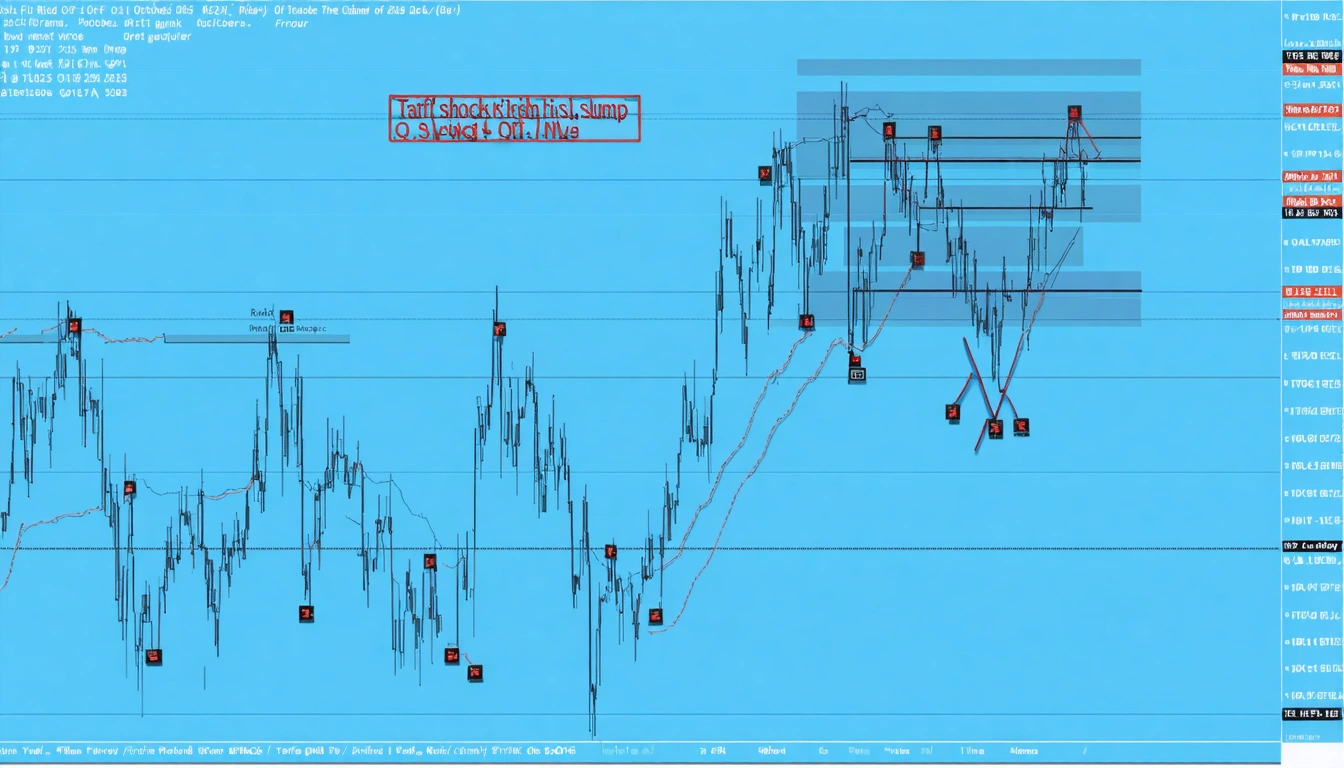
On October 10–13, 2025 markets swung from a panic in energy to a measured rebound as tariff headlines and diplomacy jockeying dominated flows. Reuters reported an initial oil sell-off to five-month lows after U.S. tariff threats on China, then a partial recovery on Oct 13 as talks were hinted. The Fed’s minutes (released Oct 8, 2025) show the Committee watching downside labor risks — that makes headline-driven moves stickier and amplifies intraday volatility.
- Oil: Brent hit ~$62.7 and WTI ~$58.9 on Oct 10, 2025 (lowest since May 7), then rebounded ~1.5% on Oct 13. Source: Reuters, Oct 10–13, 2025.
- Macro: FOMC minutes (Sep 16–17 meeting) released Oct 8, 2025 emphasize slightly higher downside labor risk and only modest changes to inflation outlook — markets remain sensitive to data and policy signalling. Source: Federal Reserve, Oct 8, 2025.
- Crypto/Equities: risk-off spilled into cryptos and cyclicals over headline shock; intraday rebounds were sharp — expect whipsaw until headlines stabilize. Example market bounce reported Oct 13, 2025. Source: Economic Times, Oct 13, 2025.
Trading playbook
- Signal: Momentum fade after headline spike + structure reclaim: intraday VWAP reclaim (30m) AND ATR(14) contraction to < 0.6x prior 5-day ATR.
- Entry: For long fade on oil/cyclicals: enter on 1-min to 5-min pullback after 30-min VWAP hold — limit entry at first touch of VWAP with confirmation bar (close above VWAP) or buy stop at high of confirmation bar.
- Stop: 1.0–1.5x ATR(14) for the instrument (intraday), or fixed 1.5% on equities / 2.0% on leveraged ETFs. Invalidate if same-session close below session VWAP by >1.5x ATR.
- Targets: Ladder targets at 1R (initial), 2R (partial), and 3R (final) using prior session’s VAH (Value Area High) and weekly structure. Example: if entry risk=1.0%, target1=1.0% (1R), target2=2.0% (2R).
- Management: Move stop to breakeven after 1R. Trail with 0.5x ATR or VWAP midpoint for more conservative exits. Avoid holding through major scheduled macro releases (CPI on Oct 15, 2025) unless position size <0.5% risk.
Speed up your prep with Chart Analyzer, scan catalysts in the app, or automate alerts with Algo AI Trading Bots. See pricing or learn more in the academy.
Risk, mistakes, and pro tips
- Position sizing: risk 0.5–2% of equity per trade; reduce to 0.25–0.5% into headline windows (tariff/trade headlines, CPI release Oct 15, 2025).
- Common traps: chasing the first spike, ignoring widening spreads in energy ETFs, failing to check liquidity for single-name energy options.
- Pre-trade checklist: trend (daily), key levels (weekly POC, prior high/low), trigger (VWAP/structure), stop, targets, news window, liquidity & spread check.
| Signal | Interpretation |
|---|---|
| VWAP reclaim (30m) | Intraday control shifting to buyers — consider long fade entries |
| ATR expansion >1.5x | Volatility spike — widen stops or wait for contraction before scaling in |

FAQ
When is the next major CPI release to avoid holding through?
The U.S. Consumer Price Index (CPI) for September 2025 is scheduled for release on October 15, 2025 at 8:30 a.m. ET — avoid holding unhedged positions through that print. Source: BLS.
How big should I size a trade during headline-driven volatility?
Reduce to 0.25–0.5% risk per trade inside headline windows (tariff announcements, CPI, Fed events). Use volatility-adjusted sizing: target dollar risk = (account equity × risk%) and convert to size using ATR-based stop.
Which TradingWizard.ai tools help automate this plan?
Use Chart Analyzer for quick structure and ATR/VWAP reads, then set alerts or execution via Algo AI Trading Bots.
Sources
Ready to act? Open TradingWizard.ai, analyze a chart in seconds, and turn signals into structured plans. Use Chart Analyzer and automate execution with Algo AI Trading Bots. See pricing or get started in the academy.