

The Catalyst
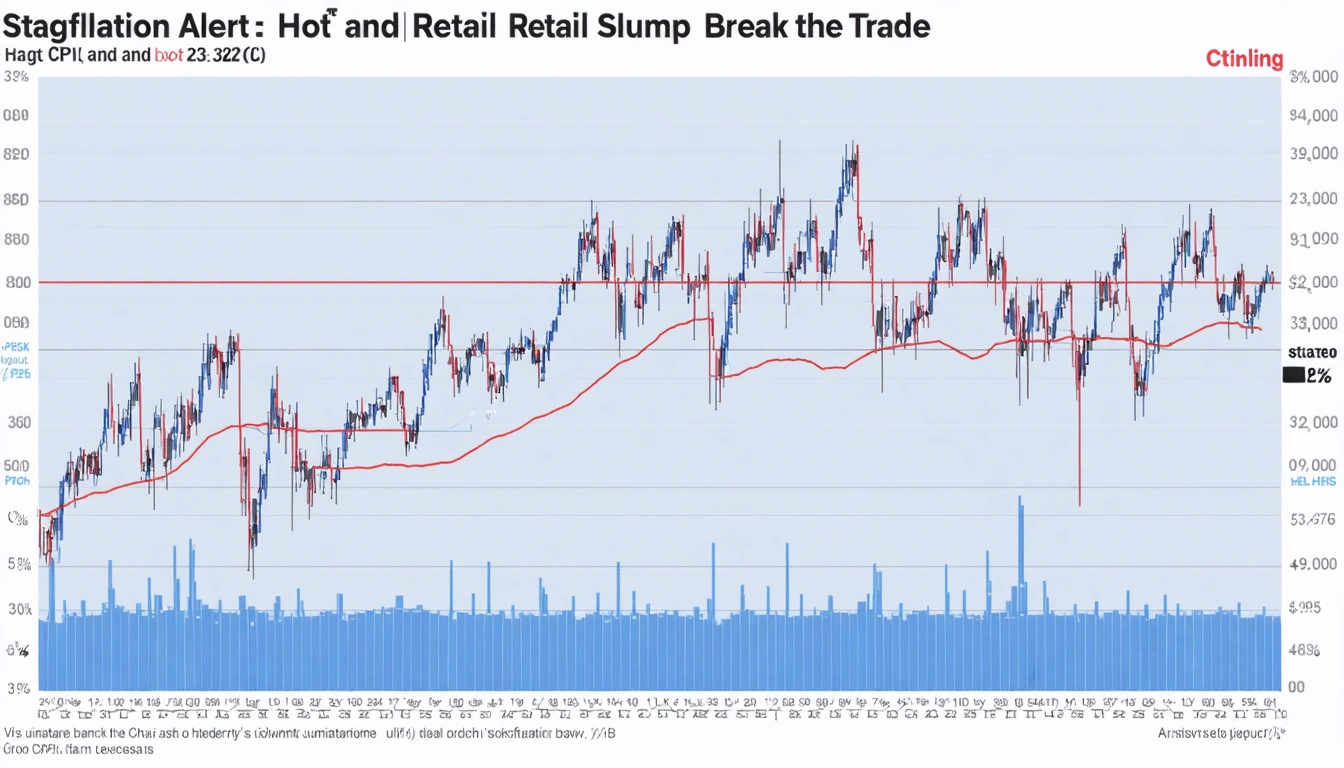
The "Trump Trade" narrative of high growth and manageable inflation faced its first structural challenge between February 12 and February 14, 2025. The U.S. Department of Labor reported a "piping hot" CPI print of 3.0% YoY, exceeding the 2.9% forecast. Simultaneously, the administration announced 25% tariffs on steel and aluminum imports, effective March 12, 2025. This cost-push inflationary signal was immediately met with a contractionary shock: January retail sales plummeted 0.9%, the largest monthly decline since March 2023.
- Event: Twin-print of high inflation and negative retail growth (Stagflation signal).
- Reaction: 10-Year Treasury yields surged to 4.52% before retreating to 4.24% as growth fears offset inflation premiums.
Critical Data
The divergence between price levels and volume of consumption suggests a rapid erosion of the equity risk premium. Institutional flows are rotating out of high-beta growth and into defensive USD positions.
| Metric | Current Status (Feb 18, 2025) | Implication |
|---|---|---|
| Headline CPI (YoY) | 3.0% (Actual) vs 2.9% (Exp) | Bearish (Hawkish Fed) |
| Retail Sales (MoM) | -0.9% (Actual) vs -0.1% (Exp) | Bearish (Growth Slowdown) |
| 10-Year Treasury Yield | 4.31% (Weekly Average) | Neutral/Volatile |
| Steel/Aluminum Tariffs | 25% (Effective March 12) | Bullish (Inflation Floor) |
Execution Plan
The macro environment has shifted from "Goldilocks" to "Stagflationary." The immediate trade is to fade the rally in small caps (IWM) and consumer discretionary (XLY), which are most vulnerable to both higher input costs (tariffs) and weakening consumer demand. We expect the DXY to maintain a floor at 104.50 as the Fed is forced to keep rates "higher for longer" despite the retail slump.
Watchlist: IWM (Short), DXY (Long), XLY (Short).
To validate these levels with custom indicators, check the Chart Analyzer or set automated monitors via TradingWizard Bots.
FAQ
Why did Treasury yields fall after a hot CPI print?
Yields initially spiked but were dragged down by the -0.9% retail sales print on February 14. The market began pricing in a "growth scare," which often leads to a flight to safety in Treasuries, temporarily offsetting the inflation premium.
How will the 25% steel tariffs impact the S&P 500?
Tariffs act as a regressive tax. While they may protect domestic producers, they increase the cost of goods sold (COGS) for the broader industrial and automotive sectors, likely compressing margins in Q2 2025.