
The Catalyst
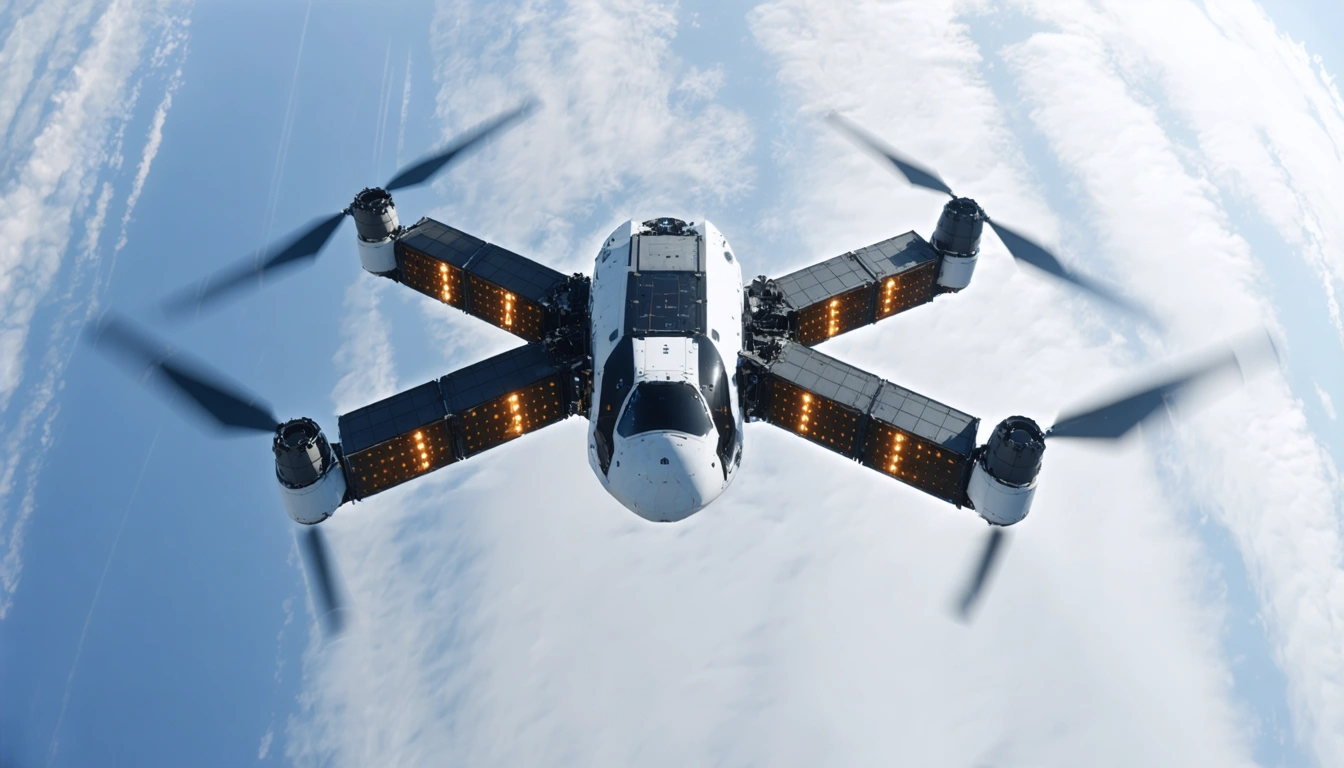
On February 16, 2026, Elon Musk announced the consolidation of SpaceX and xAI. This structural shift moves the entity beyond launch services into a vertically integrated AI-aerospace powerhouse. The merger coincides with a strategic U.S.-India oil deal and the licensing of Starlink in Vietnam, signaling a coordinated expansion of the Musk ecosystem into emerging markets and energy-intensive compute sectors.
- Event: SpaceX and xAI merger into a single $1.25 trillion holding structure.
- Reaction: Private secondary markets indicate a 12% premium on existing SpaceX shares as investors price in AI synergies.
Critical Data
The merger valuation sets a new floor for private tech benchmarks. With U.S. markets closed for the Presidents' Day holiday, liquidity has shifted toward international proxies and private equity secondary desks.
| Metric | Current Status | Implication |
|---|---|---|
| Combined Valuation | $1.25 Trillion | Bullish: Establishes a "Mega-Cap" private benchmark. |
| Starlink Licensing | Vietnam (Feb 16, 2026) | Bullish: Expands Southeast Asian revenue base. |
| US Market Liquidity | Closed (Presidents' Day) | Neutral: Expect high-volatility open on Feb 17. |
Execution Plan
The immediate trade involves monitoring public AI infrastructure plays that serve as proxies for xAI’s compute needs. The $1.25 trillion valuation validates the massive capital expenditure required for frontier AI, suggesting continued demand for high-end semiconductors and energy infrastructure.
Watchlist: NVDA, PLTR, VOO.
To validate these levels with custom indicators, check the Chart Analyzer or set automated monitors via TradingWizard.ai Bots.
FAQ
How does the SpaceX-xAI merger affect public AI stocks?
The $1.25 trillion valuation provides a "mark-to-market" reference for public AI firms. If the private market sustains this valuation, it suggests that public companies like NVIDIA and Palantir may still be undervalued relative to their role in the AI-aerospace supply chain.
What is the risk of the Starlink expansion in Vietnam?
Regulatory risk remains the primary concern. While the license was granted on February 16, 2026, operational success depends on local infrastructure integration and geopolitical stability in the South China Sea region.