

The Catalyst
The equity markets underwent a structural re-rating between February 11 and February 13, 2026. The primary driver was the formalization of the SpaceX and xAI merger, creating a $1.25 trillion entity that integrates orbital infrastructure with frontier generative models. This move forced a massive short-covering rally in the technology sector, coinciding with a favorable macro backdrop.
- Event: U.S. CPI released February 13, 2026, printed at 2.1% YoY vs. 2.4% expected.
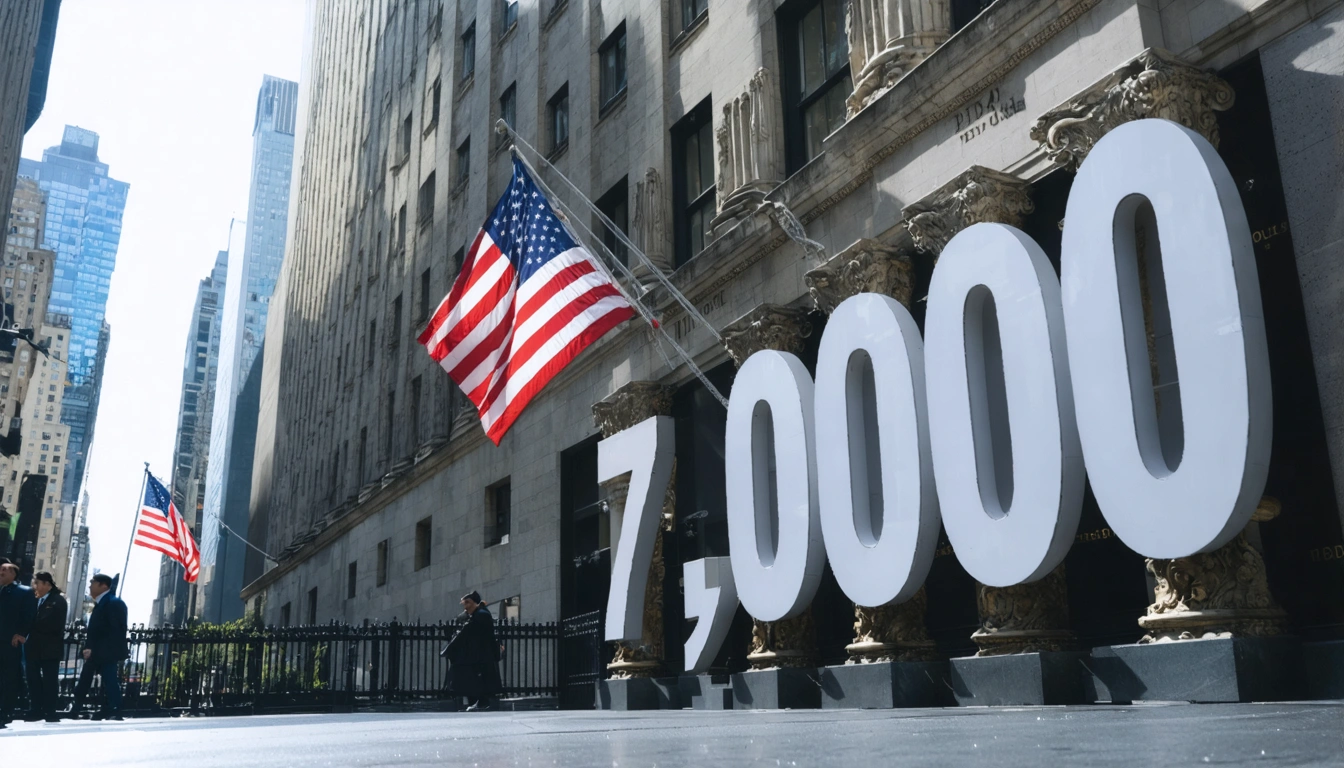
- Reaction: S&P 500 (SPX) gained 192 points in a single session, breaching the 7,000 psychological handle.
Critical Data
Institutional participation was confirmed by a 35% increase in daily average volume compared to the 20-day mean. The 10-year Treasury yield compressed to 3.85%, easing the discount rate for growth valuations.
| Metric | Current Status | Implication |
|---|---|---|
| S&P 500 RSI (14-Day) | 74.2 | Overbought / Momentum Extension |
| 10Y Treasury Yield | 3.85% | Bullish for Equities |
| VIX Volatility Index | 12.40 | High Complacency / Risk of Correction |
| Put/Call Ratio | 0.62 | Extreme Bullish Sentiment |
Execution Plan
The trend is decisively bullish, but the RSI at 74 suggests a "buy the dip" approach rather than chasing the vertical move. The 6,920 level, previously a resistance zone, now serves as the primary structural support. A daily close below 6,880 invalidates the immediate bullish thesis.
Watchlist: SPY, QQQ, TSLA.
To validate these levels with custom indicators, check the Chart Analyzer or set automated monitors via TradingWizard.ai Bots.
FAQ
Is the 7,000 level a sustainable support for the S&P 500?
Technically, 7,000 is a psychological level. Structural support sits lower at 6,920. Sustainability depends on the Q1 earnings guidance from the newly merged SpaceX-xAI entity and continued CPI cooling toward the 2.0% target.
How do the proposed tariff rollbacks affect this rally?
The rollback of tariffs on metals and aluminum is deflationary. It reduces input costs for industrial and construction components of the S&P 500, providing a fundamental tailwind that offsets potential overvaluation in the tech sector.