
The Catalyst
On February 13, 2026, the Federal Reserve maintained the benchmark interest rate at 3.75%. This decision coincided with high-level reports indicating Russia is preparing to reintegrate with U.S. dollar settlement systems for international trade. This shift effectively dismantles the "de-dollarization" premium that has supported gold and alternative assets for the past 24 months.
- Event: FOMC Rate Hold and Russian Geopolitical Pivot.
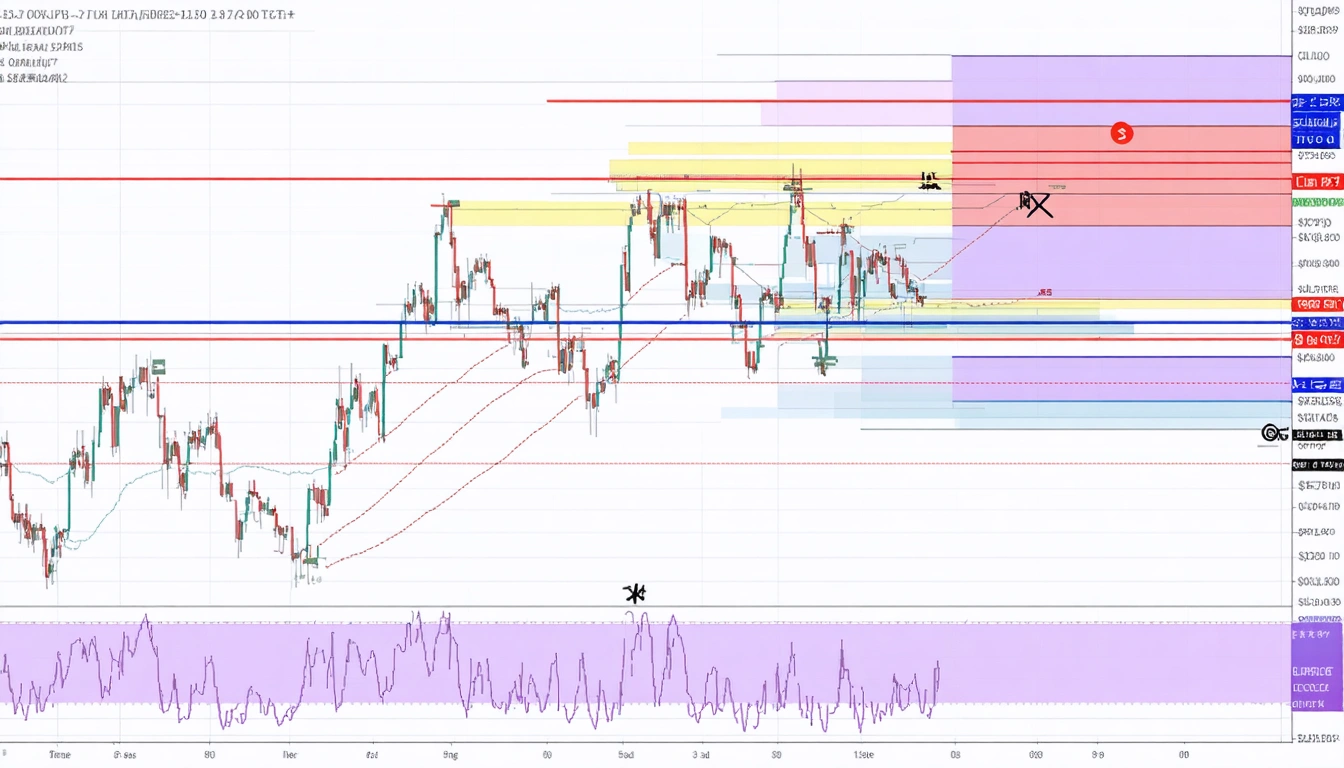
- Reaction: Gold plummeted from $2,560 to $2,485 within a single four-hour candle.
Critical Data
Institutional flows show a massive rotation out of safe-haven bullion and into short-term Treasuries as the dollar regains its status as the primary settlement medium for Eastern European energy exports.
| Metric | Current Status | Implication |
|---|---|---|
| DXY Index | 107.20 | Bullish (Multi-year High) |
| XAU/USD | $2,485 | Bearish (Support Breach) |
| 10Y Yield | 4.45% | Bullish (Capital Inflow) |
Execution Plan
The macro environment has shifted from inflationary hedging to dollar-denominated yield capture. We are monitoring the $2,480 level on Gold; a daily close below this mark opens the door to $2,420. Conversely, the DXY breakout at 107.20 suggests a trend continuation toward 109.00.
Watchlist: XAU/USD, UUP (Dollar Bull ETF).
To validate these levels with custom indicators, check the Chart Analyzer or set automated monitors via TradingWizard Bots.
FAQ
Why is Russia returning to the U.S. Dollar now?
Economic pragmatism. The friction costs of non-USD settlements and the potential for eased sanctions under the current administration have made USD reintegration more attractive than fragmented BRICS alternatives.
Is the Gold bull market over?
The structural bull market is under extreme duress. Unless Gold reclaims $2,545 on high volume, the technical bias remains bearish as institutional "de-dollarization" hedges are liquidated.