
The Catalyst
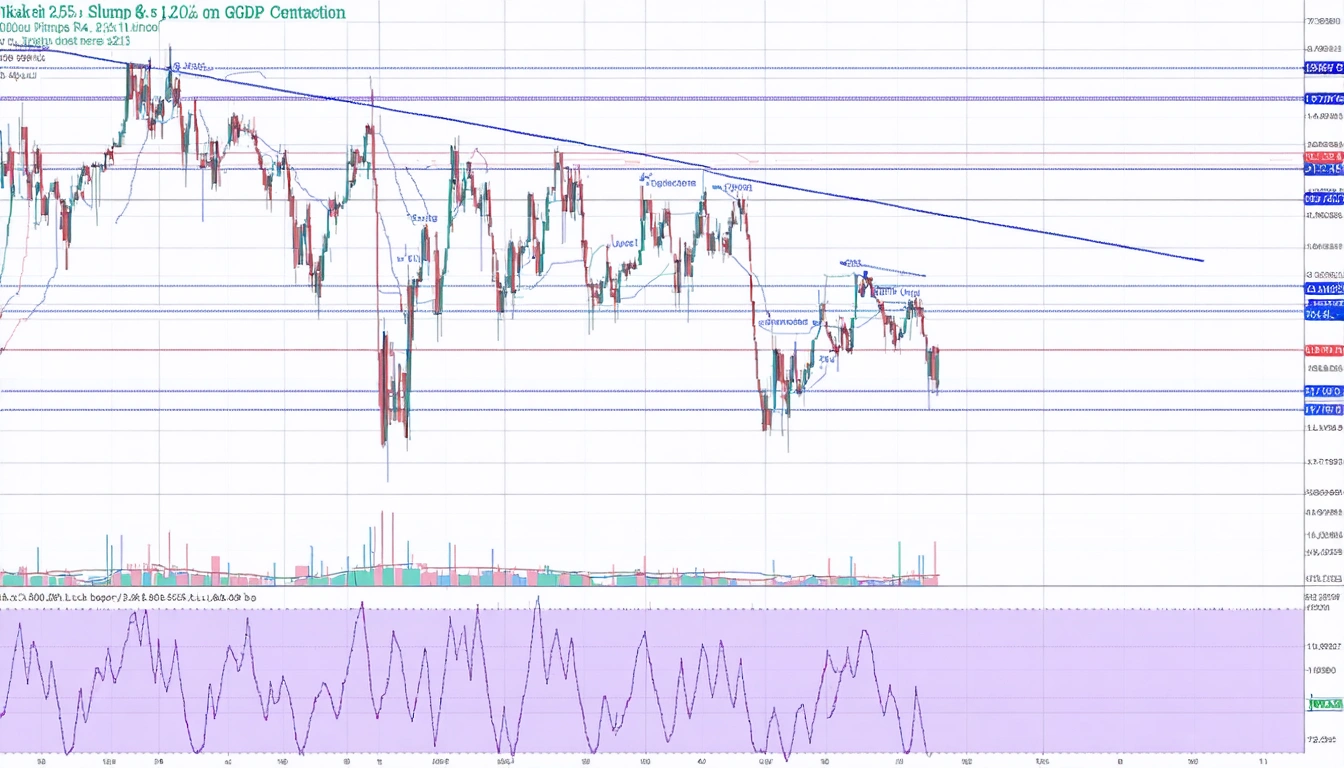
The Japanese economy unexpectedly entered a technical slowdown, with Real GDP shrinking by 0.2% in the final quarter of 2025 (data released February 15, 2026). This contraction directly contradicts previous consensus estimates of a 0.3% expansion. The primary driver was a 0.5% decline in private consumption, signaling that domestic demand remains fragile despite nominal wage growth.
- Event: Japan Q4 GDP Release (Feb 15, 2026).
- Reaction: Nikkei 225 futures fell 820 points (-2.1%) within the first four hours of the Tokyo session.
Critical Data
Institutional flows indicate a massive rotation out of Japanese "value" stocks as the "higher-for-longer" interest rate narrative in Japan collapses. Concurrently, UK wage data released February 17 showed a 4.8% increase, creating a sharp divergence between BoE hawkishness and BoJ paralysis.
| Metric | Current Status | Implication |
|---|---|---|
| Japan Real GDP (QoQ) | -0.2% (Actual) vs +0.3% (Est) | Bearish NKY |
| USD/JPY Spot | 152.40 (+0.85% since Feb 15) | Bearish JPY |
| UK Avg Earnings (3M/YoY) | 4.8% (Released Feb 17) | Bullish GBP |
Execution Plan
The Nikkei 225 is currently testing the 38,450 level. A sustained break below 38,200 (the 100-day Moving Average) confirms a transition from a bullish trend to a distribution phase. Conversely, the USD/JPY carry trade remains viable as the yield differential between the US/UK and Japan widens following the GDP miss.
Watchlist: Nikkei 225 (NKY), USD/JPY, GBP/JPY.
To validate these levels with custom indicators, check the Chart Analyzer or set automated monitors via TradingWizard Bots.
FAQ
Why did the Nikkei fall if a weak Yen usually helps exporters?
While a weak Yen typically boosts export competitiveness, the February 15 GDP data highlighted a systemic collapse in domestic consumption. Institutional investors are prioritizing economic stability over currency-driven earnings boosts, leading to a net outflow from Tokyo equities.
How does the US market reopening on Feb 17 impact this?
US liquidity returning after the Presidents' Day holiday is expected to accelerate the trend. If US Treasury yields remain elevated while Japan's GDP remains stagnant, the USD/JPY pair will likely face upward pressure toward the 154.00 resistance zone.