

The Catalyst
The Federal Open Market Committee (FOMC) minutes released on February 18, 2026, have fundamentally re-priced the 2026 interest rate trajectory. The committee acknowledged that the January 13, 2026, Consumer Price Index (CPI) print of 2.4% provides the "requisite confidence" to begin policy normalization. This marks a definitive end to the "higher for longer" regime that dominated the previous quarter.
- Event: February 18 FOMC Minutes Release.
- Reaction: CME FedWatch March cut probability surged from 48% to 75.4%.
Critical Data
Institutional rotation is visible in the fixed-income markets. The collapse in the 2-year yield suggests a front-running of the March 18 policy meeting. Equity risk premiums are compressing as the discount rate falls.
| Metric | Current Status | Implication |
|---|---|---|
| US 2-Year Yield | 4.18% (-17bps) | Bullish Bonds / Risk-On |
| January CPI (YoY) | 2.4% (Actual) | Dovish Confirmation |
| S&P 500 (SPX) | 6,092 (+1.1%) | Bullish Momentum |
| March Cut Prob. | 75.4% | Structural Pivot |
Execution Plan
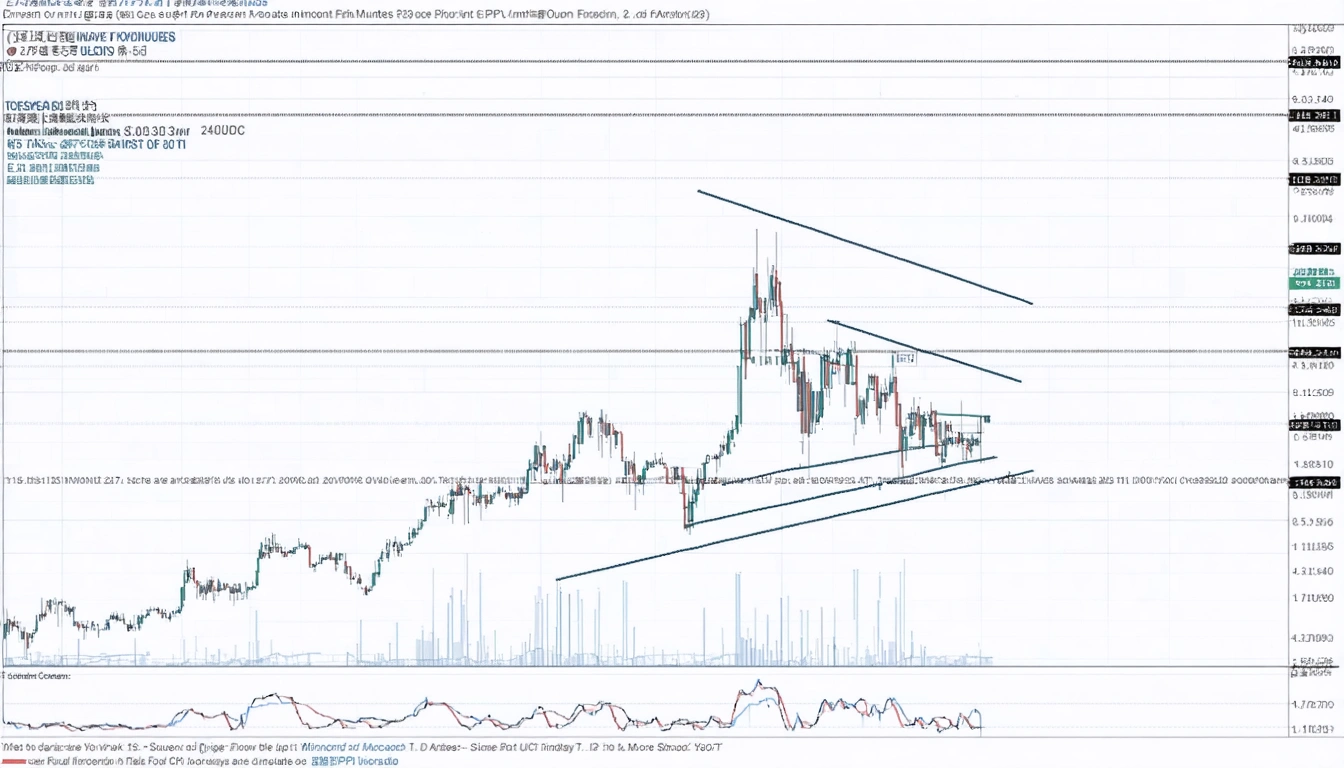
The macro bias is now aggressively long duration and large-cap equities. The 2-year yield breaking 4.20% acts as a structural trigger for algorithmic trend-following funds. We expect a continuation toward the 6,250 level on the S&P 500 as liquidity conditions ease. Invalidation occurs if the 2-year yield reclaims 4.35% on a closing basis.
Watchlist: TLT, SPY, QQQ.
To validate these levels with custom indicators, check the TradingWizard.ai Chart Analyzer or set automated monitors via the platform's execution bots.
FAQ
Why did the 2-year yield react more than the 10-year?
The 2-year yield is more sensitive to immediate Fed policy changes. The 17bps drop reflects the market's aggressive pricing of a March rate cut, whereas the 10-year is tempered by long-term inflation expectations and term premium.
Does the SpaceX-xAI merger impact this macro outlook?
While the $1.25T merger creates idiosyncratic volatility in the tech sector, macro liquidity driven by the Fed pivot remains the primary driver for broad market indices. The merger may actually accelerate capital rotation into tech if credit conditions loosen.