

Why this matters now
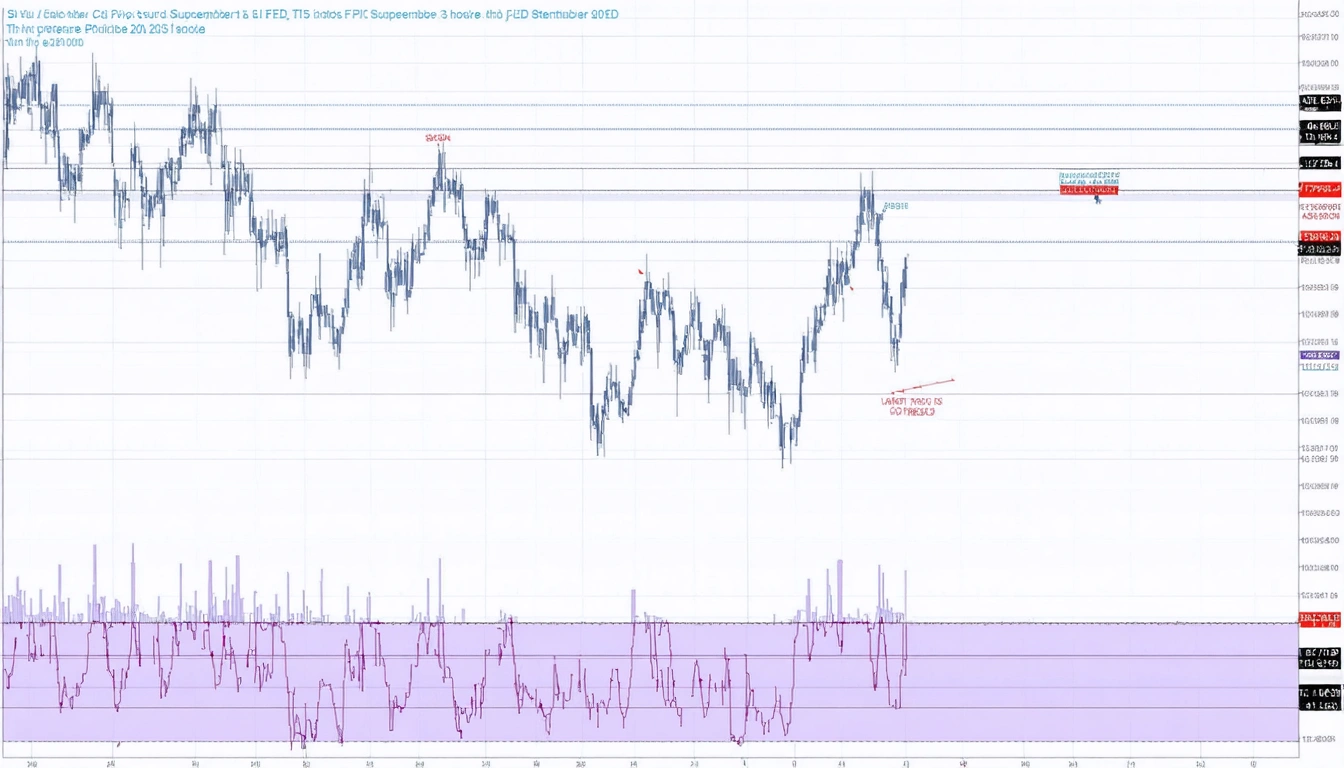
Between September 11 and September 16, 2025 markets digested a CPI print that surprised slightly higher on headline measures, mixed signals on core inflation, and high-profile political pressure around the Fed. That combination pushed short-term rate expectations and liquidity flows into a volatile state — equities rallied on easier-rate odds while long yields held up because of fiscal and policy risks. See reports from Reuters and AP for the timeline and commentary released September 16, 2025.
- CPI (headline) accelerated in the early-September release, nudging markets to reprice Fed path and near-term volatility (market commentary dated September 11, 2025). See BLS summaries and market reactions.
- By September 16, 2025 bond fund managers and firms flagged political risk to Fed independence; PIMCO publicly recommended halting MBS runoff to ease mortgage rates — a direct flow implication for rates and housing-sensitive equities. (Reuters, September 16, 2025).
- Immediate market flows: front-end yields fell (higher cut odds), curve bull-steepened, megacap growth led equities higher — but elevated event risk means fast reversals are likely around policy headlines. (AP, Kiplinger coverage around September 16, 2025).
Key reading: Reuters — PIMCO recommends halting MBS runoff, AP — Fed meeting with political tensions, and market reactions to CPI on September 11, 2025 (BLS / market wires).
Trading playbook
- Signal: VWAP reclaim on the hourly + ATR(14) expansion > 1.2x prior 20-bar ATR on the same timeframe. Use macro filter: front-end 2‑yr yield falling > 10bp intraday (sign of rate‑cut pricing).
- Entry: Buy on a clean retest above intraday VWAP after a 15–30 minute consolidation. For shorts, wait for failed VWAP reclaim and ATR contraction into support. Example: if stock breaks above $100 and retests $100–$101 within 30 mins, enter above the retest high with market or limit.
- Stop: 1.0–1.5 ATR(14) below entry or fixed 1.5–3.0% depending on volatility. In bonds/ETFs use 0.5–1.0% absolute price stop or break of key yield level (e.g., 10‑yr >4.20% invalidates long bias in a steepening play).
- Targets: Ladder exits: 1R at 1× risk (take 30–50%), 2R at 2× (take next 30%), trail last 20% with 0.75× ATR. For macro directional trades (rates curve), measure move = recent high-low of move × 0.6 as first target.
- Management: Do not trade 20 minutes before and 30 minutes after scheduled Fed statements or explicit policy releases. If a political headline (e.g., Fed governance noise) hits, reduce size by 50% or step out entirely until structure returns.
<p>Quick list of instruments to scan now (September 16, 2025 context): mortgage-sensitive names & ETFs, short-dated Treasury futures, megacap growth (rate‑sensitive), and volatility ETFs. Use <a href="https://tradingwizard.ai/app/analyze">Chart Analyzer</a> to auto-detect VWAP reclaims and ATR thresholds, scan batches in <a href="https://tradingwizard.ai/app">the app</a>, and deploy alerts with <a href="https://tradingwizard.ai/app/bots">Algo AI Trading Bots</a>. Check <a href="https://tradingwizard.ai/pricing">pricing</a> and the <a href="https://tradingwizard.ai/academy">academy</a> for setup tutorials.</p>
Risk, mistakes, and pro tips
- Position sizing: Risk 0.5–2.0% of account per trade. For macro/event trades reduce to 0.25–0.5% during compressed liquidity.
- Common traps: (1) Chasing first spike after CPI; (2) Trading large size into low-liquidity MBS/REIT moves; (3) Ignoring spread and slippage in bond futures during policy windows.
- Pre-trade checklist: Trend (daily), level (VWAP & prior day VWAP), trigger (ret/expansion), stop (ATR or percent), targets, news window, liquidity (bid/ask and volume).
- Pro tip: When Fed/political headlines increase noise, prefer mean-reversion setups on 5–15m with tight ATR stops or swing trades on daily charts with 2R targets — don’t mix intraday size with overnight gamma risk.
| Signal | Interpretation |
|---|---|
| VWAP reclaim (1h) | Momentum bias; bias bullish while above VWAP |
| ATR(14) > 1.2x | Vol expansion — expect larger moves and need wider stops |

FAQ
When should I stop trading around Fed events?
Stop new directional sized trades 20 minutes before the Fed statement and don’t add size for 30–60 minutes after the press conference. If a surprise is large, wait for structure (VWAP or a clear retest) before re-entering.
How big should my stop be for a rate-sensitive stock?
Use 1–1.5× ATR(14) on the chart you trade (15m for intraday, daily for swing). Translate ATR into dollars and cap risk at 0.5–1% of capital for volatile macro names.
What tools speed this workflow?
Use Chart Analyzer to auto-identify VWAP reclaims and ATR distribution, then use Algo AI Trading Bots to generate alerts and (optionally) execute scaled entries.
Sources
Ready to act? Open TradingWizard.ai, analyze charts in seconds, run VWAP/ATR scans in Chart Analyzer, and automate alerts or entries with Algo AI Trading Bots. See pricing or sharpen setups in the academy.