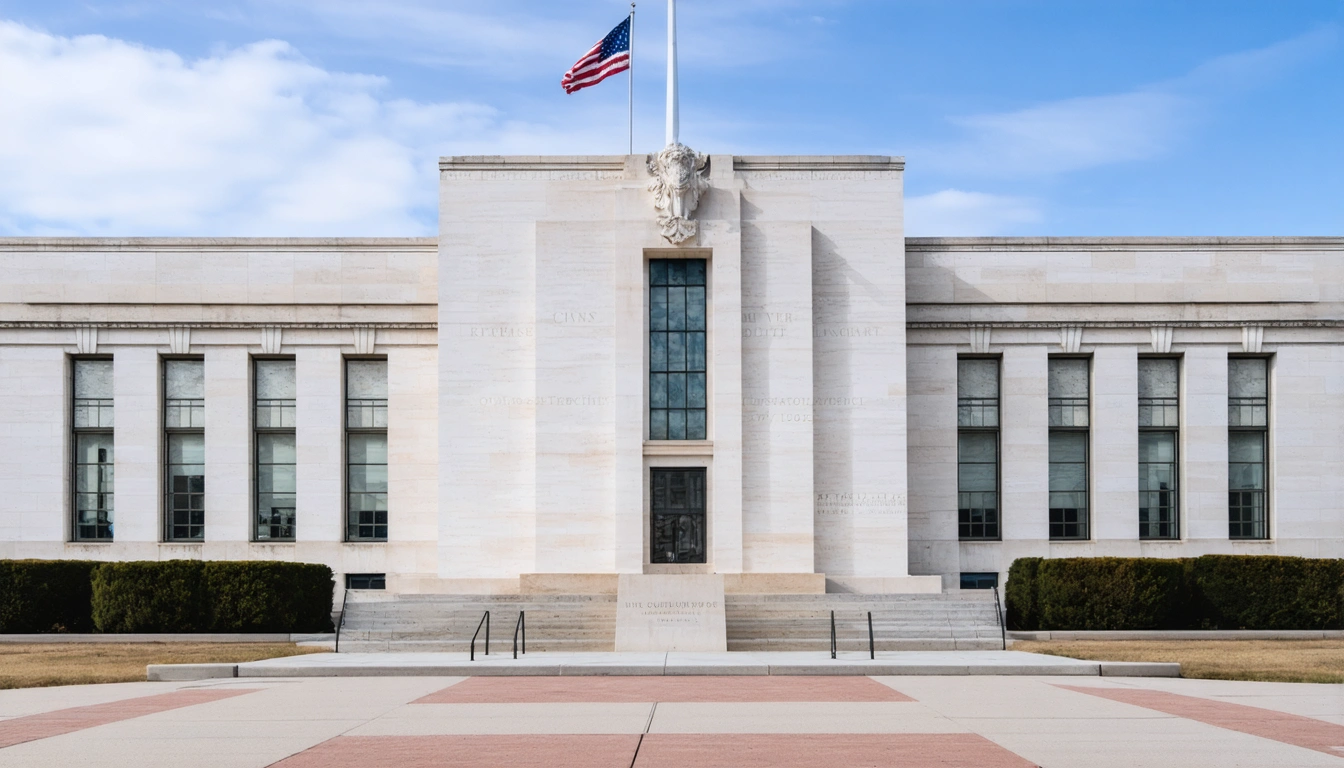

Fed Cut Exposes Policy Split, Markets Turn Defensive
The Fed delivered a 25 bp cut but the vote split signaled uncertainty about the next move. Tech took a hit as Oracle’s AI capex spooked investors, while regulators floated big changes on both sides of the Atlantic.
TL;DR:
- 🏦 Fed cuts 25 bps, splits widen
- 🤖 Oracle sinks on AI capex surge
- 🛡️ Treasury signals FSOC overhaul
- 🏛️ ECB pushes simpler bank capital rules
Fed Cuts 25 bps, Splits Widen
The Federal Reserve cut rates by 25 basis points to a 3.5%–3.75% range, extending the easing cycle but highlighting internal divisions on growth and inflation risks. Markets read the split as a “less predictable path” signal, keeping risk appetite muted and putting more weight on incoming data and guidance. Rate-sensitive sectors got short-term relief, but the bigger trade became “how many cuts are left.” Source
Oracle Sinks on AI Capex Surge
Oracle shares dropped more than 11% after earnings disappointed and management outlined a sharp increase in capital spending tied to AI data centers. The market’s message was simple: investors want AI revenue visibility before underwriting another big spend cycle. The move pressured broader large-cap tech sentiment and reinforced a “show me the cash flow” tape. Source
Treasury Signals FSOC Overhaul
U.S. Treasury Secretary Scott Bessent is expected to propose a major overhaul of the Financial Stability Oversight Council, aiming to streamline operations and revisit how systemic risks are assessed. For markets, this matters because FSOC posture can shape supervision intensity, capital expectations, and risk premiums across banks and nonbank financials. Any shift toward clarity and process could reduce headline risk—while tighter oversight would do the opposite. Source
ECB Pushes Simpler Bank Capital Rules
The ECB proposed simplifying EU bank capital requirements by consolidating buffers into two main components while keeping overall capital levels intact. The key market angle: simpler rules can reduce uncertainty around capital planning, but the “headline simplicity” doesn’t necessarily mean lower capital. European bank stocks and credit spreads will track whether implementation looks neutral, supportive, or quietly restrictive. Source