

The Catalyst
On February 21, 2025, the US administration bypassed a restrictive Supreme Court ruling by implementing a broad 15% global import tariff via alternative executive authorities. This move shifted the market narrative from a "soft landing" to a "structural inflation" regime. The immediate reaction was a violent re-pricing of the Federal Reserve's terminal rate, as tariffs are inherently contractionary for global trade but inflationary for domestic consumer prices.
- Event: 15% Global Tariff Executive Order (Feb 21, 2025).
- Reaction: DXY Index +1.42% in a single session; EUR/USD plummeted to 1.0450.
Critical Data
Institutional flows indicate a massive rotation out of European and Emerging Market (EM) equities into USD-denominated cash and short-duration Treasuries. The correlation between the 10Y yield and the DXY has tightened to 0.88, suggesting the "Higher for Longer" narrative is now the dominant driver of price action.
| Metric | Current Status | Implication |
|---|---|---|
| DXY Index | 106.45 | Bullish Breakout |
| US 10Y Yield | 4.48% | Bearish Equities |
| EUR/USD | 1.0452 | Bearish Momentum |
| Russell 2000 (IWM) | 212.40 (-2.4%) | Bearish Small Caps |
Execution Plan
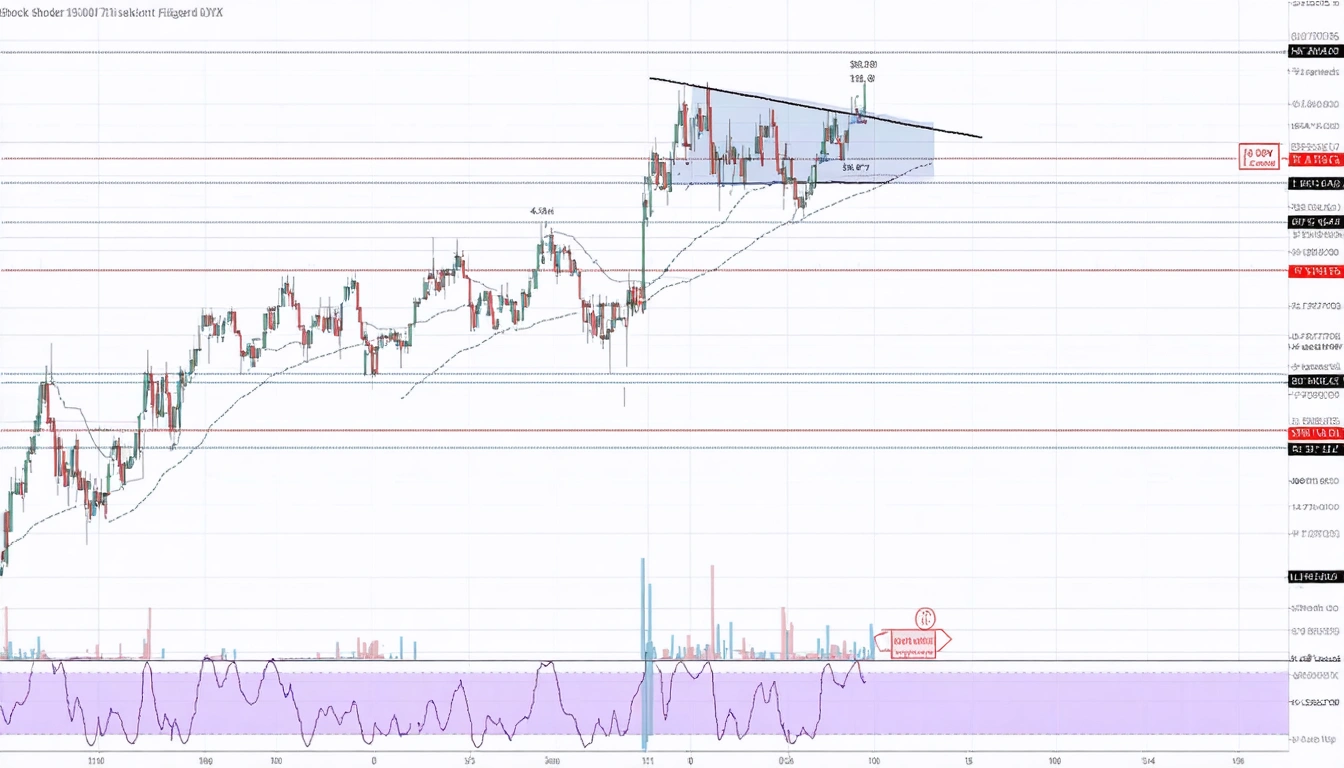
The technical structure favors a "Buy the Dip" approach on the US Dollar. The DXY has cleared the psychological 106.00 level with significant volume. We expect a period of consolidation before a run toward the 108.00-108.20 zone, which represents the 2024 highs. Conversely, small-cap equities (IWM) face a double headwind of rising debt service costs and supply chain margin compression.
Watchlist: DXY (Long), IWM (Short), USD/JPY (Long).
To validate these levels with custom indicators, check the Chart Analyzer or set automated monitors via TradingWizard Bots.
FAQ
Why did the US Dollar rally despite trade uncertainty?
Tariffs act as a tax on foreign exporters and increase the demand for USD to settle domestic transactions. Furthermore, the inflationary nature of tariffs forces the Federal Reserve to maintain higher interest rates, increasing the yield carry of the dollar relative to the Euro and Yen.
What is the primary risk to this bullish USD thesis?
The primary risk is a coordinated central bank intervention or a sudden reversal in fiscal policy. If the 10Y yield fails to hold 4.40%, the DXY breakout may be invalidated as a "fakeout," leading to a rapid mean reversion toward 104.50.