

The Catalyst
The U.S. labor market demonstrated unexpected resilience on February 6, 2026, with Non-Farm Payrolls exceeding consensus estimates by 50%. This data effectively neutralized the "imminent recession" narrative that had pressured the Dollar in January. Institutional repricing followed immediately as the probability of a March rate cut dropped from 65% to 15%.
- Event: February 6 NFP Report and February 10 Fed Commentary.
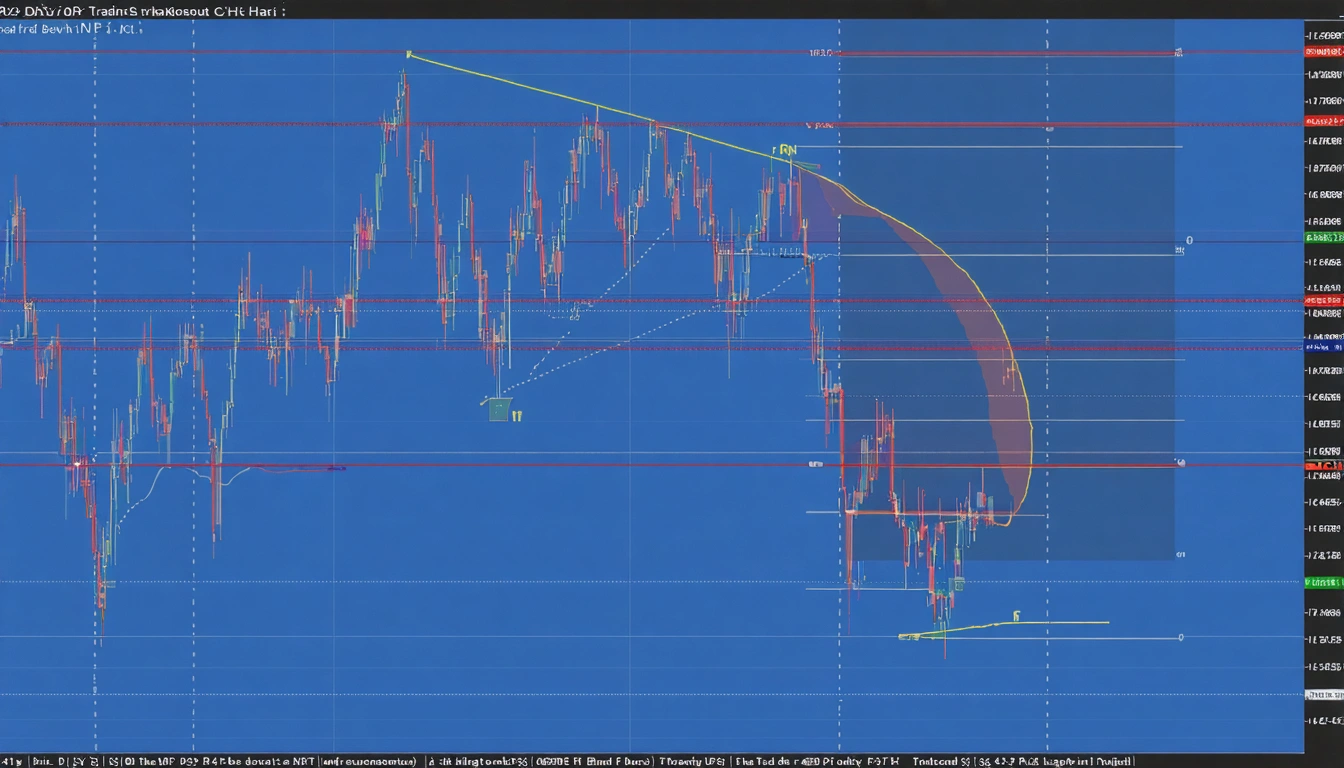
- Reaction: DXY broke the 104.50 structural pivot, reaching a high of 104.80.
Critical Data
The divergence between U.S. economic strength and EU stagnation is widening. Cleveland Fed President Beth Hammack’s February 10 statement regarding "policy patience" has solidified the floor for yields.
| Metric | Current Status | Implication |
|---|---|---|
| Non-Farm Payrolls (Feb 6) | 285,000 (Actual) vs 190,000 (Exp) | Bullish USD |
| Unemployment Rate | 3.9% (Actual) vs 4.1% (Exp) | Bullish USD |
| 10-Year Treasury Yield | 4.35% (+15 bps) | Bullish USD |
| EUR/USD Spot | 1.0720 (-0.9%) | Bearish EUR |
Execution Plan
The immediate trend is long USD against G10 laggards (EUR, JPY). The February 13 CPI print is the primary volatility risk. If CPI prints >0.3% MoM, expect DXY to test 106.00. If CPI misses, a mean reversion to 103.80 is likely.
Watchlist: DXY, EUR/USD, USD/JPY.
To validate these levels with custom indicators, check the Chart Analyzer or set automated monitors via TradingWizard Bots.
FAQ
Why did the Dollar rise despite high federal debt concerns?
Short-term currency valuation is driven by interest rate differentials. The Feb 6 jobs beat forced markets to price in "higher for longer" rates, making the USD more attractive relative to the Euro and Yen, regardless of long-term fiscal concerns.
What is the invalidation level for the current USD bull run?
A daily close below 103.50 on the DXY would signal a failed breakout and a shift back to a neutral/bearish regime, likely triggered by a significant miss in the February 13 CPI data.